
mission
how would you recognise life on another planet?
hello@solpera.com.auWe are a full-stack astrobiology lab based in Hobart. We build the instruments, implement the experiments, and run the compute ourselves. The boundary of life on Earth is barely understood. We take an alternative method to approach this problem: ultraviolet reflectance of living surfaces. High-energy light perturbs matter, and the matter must respond. We hypothesise that response, through time, is what describes livingness.
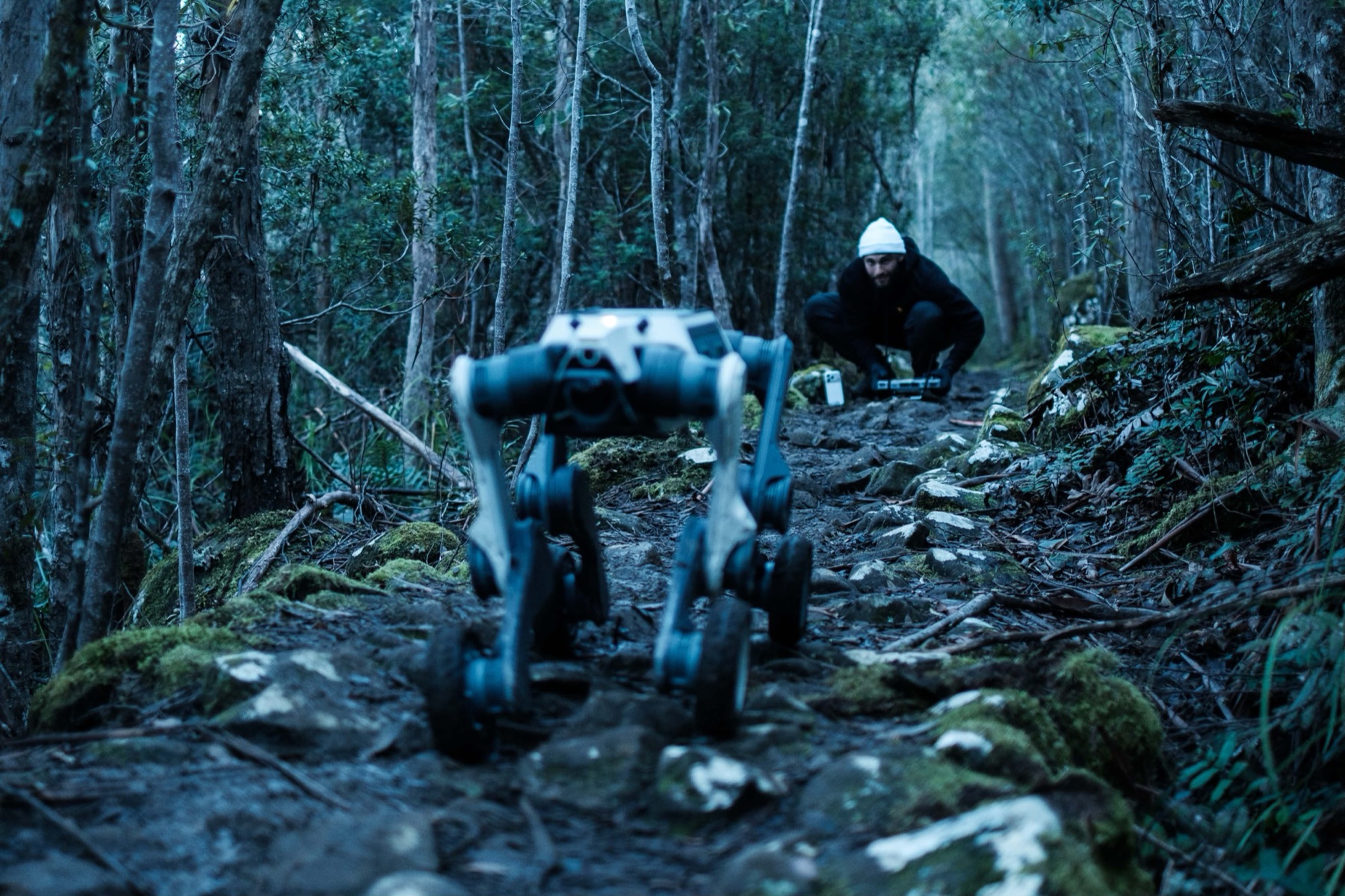
We develop for the harshest environments on Earth, designing around the cold, dryness, radiation and isolation that challenge living systems and field instruments. That work prepares our methods for future lunar and Mars missions.
What makes something “alive”? Can we measure and characterise its fundamental features? Without assuming cells or metabolism, what common pattern, fundamental to life on Earth, might we also see on Mars and beyond?
AI that interprets the data on the edge, back at base, or in the harshest field, so the next decision is better informed.